
Survival Status of Indonesian Enterprises Under U.S. Tariffs and Domestic Taxation in 2025
In 2025, Indonesia’s economy faces multifaceted external and internal pressures. As Southeast Asia’s largest economy, Indonesia’s GDP is projected to grow by approximately 5%, but this growth is far from smooth. External pressures stem primarily from the U.S. Trump administration’s "reciprocal tariffs" policy, which raised Indonesian export tariffs to the U.S. from the initially threatened 32% to 19%—still far above pre-2020 levels (average 0–5%). This has directly impacted export-oriented enterprises, particularly SMEs and private firms reliant on the U.S. market. Domestically, the government has intensified tax enforcement to address fiscal deficits, increasing financial burdens on businesses. Concurrently, a 5–7% minimum wage hike has exacerbated labor costs, pushing labor-intensive industries toward survival crises.
1/10/20263 min read
Introduction
In 2025, Indonesia’s economy faces multifaceted external and internal pressures. As Southeast Asia’s largest economy, Indonesia’s GDP is projected to grow by approximately 5%, but this growth is far from smooth. External pressures stem primarily from the U.S. Trump administration’s "reciprocal tariffs" policy, which raised Indonesian export tariffs to the U.S. from the initially threatened 32% to 19%—still far above pre-2020 levels (average 0–5%). This has directly impacted export-oriented enterprises, particularly SMEs and private firms reliant on the U.S. market. Domestically, the government has intensified tax enforcement to address fiscal deficits, increasing financial burdens on businesses. Concurrently, a 5–7% minimum wage hike has exacerbated labor costs, pushing labor-intensive industries toward survival crises.
These pressures affect not only corporate profitability but also grassroots employment. Indonesia’s unemployment rate fell to 4.85% in Q3 2025, yet this masks precarious employment quality: millions work in informal sectors with low wages and instability. Poverty rates dropped to 8.5%, but 23.9 million remain below the poverty line, many dependent on seasonal or low-skilled jobs in private enterprises. Private firms, contributing over 60% of GDP, now face layoffs, production cuts, or bankruptcy amid tariff barriers, tax pressures, and rising labor costs. This report synthesizes official data, international reports, and market analyses to examine these challenges, with a focus on SMEs and grassroots employment.
Part 1: U.S.-Indonesia Tariff Shifts and Enterprise Impacts
Historical Context: Pre-2020 Low-Tariff Era
Before 2020, U.S. tariffs on Indonesian imports were based on WTO Most-Favored-Nation (MFN) rates (3.3–3.5%) and Generalized System of Preferences (GSP), which exempted thousands of Indonesian products (e.g., textiles, electronics) from duties. This allowed Indonesian exports to thrive, with textiles and agriculture benefiting significantly. Informal employment in export-driven factories absorbed rural labor, and unemployment remained stable at 5–6%. However, GSP expired in December 2020, worsening trade conditions.
2025 Tariff Adjustments: From 32% to 19% "Compromise"
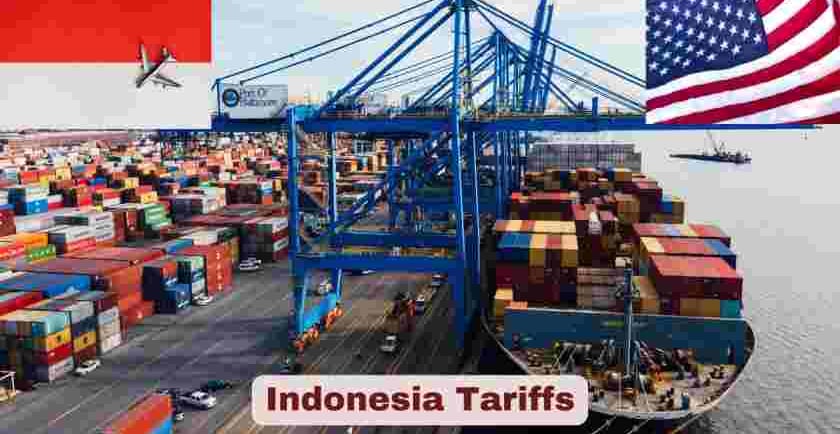
The U.S. "reciprocal tariffs" policy, framed as reducing trade deficits, initially threatened 32% tariffs on Indonesian goods. After negotiations, tariffs were reduced to 19%, with exemptions for key products like palm oil and cocoa. Under the December 2025 agreement, Indonesia agreed to purchase $19 billion in U.S. goods (e.g., 50 Boeing planes) and collaborate on tech and defense. Despite this, the 19% tariff exceeds pre-2020 levels, hitting exports hard.
Sector-Specific Impacts
Footwear & Textiles: Vietnam and Indonesia face 19% tariffs, raising production costs by 15%. SMEs struggle to compete; some shifted to the EU (tariff-free under the 2025 EU-Indonesia trade deal), but short-term losses persist.
Agriculture: Palm oil exporters benefit from exemptions, but buyers now demand cost-sharing for tariffs, squeezing margins.
Electronics: High tariffs (non-GSP) and weak demand push firms toward insolvency.
Part 2: Domestic Tax Enforcement and Fiscal Pressures
Fiscal Deficit Background
Indonesia’s fiscal deficit neared 3% of GDP in 2025, with tax collection reaching only 79% of the target. To bridge the gap, the government intensified audits targeting wealthy individuals and corporations. Tax Director Bimo acknowledged these measures as "routine," but critics argue they disproportionately target compliant large taxpayers while ignoring the informal economy.
Corporate Consequences
Cash Flow Strain: SMEs face audits and penalties, diverting resources from growth.
Investment Hesitation: Foreign capital inflows slowed as firms delay expansion plans.
Informal Economy Fallout: Tax hikes risk raising consumer prices, deepening poverty.
Part 3: Labor Cost Surge and Employment Dynamics
Minimum Wage Hikes
A 5–7% wage increase in 2025, varying by province, aimed to balance worker welfare and business burdens. However, labor-intensive industries (e.g., textiles) saw costs rise 10–15%, forcing layoffs.
Employment Quality
Unemployment Rate: 4.85% in Q3 2025, masking informal employment (59.4% of the workforce).
Wage Stagnation: Average monthly wages (IDR 3.33 million) lag behind living costs.
Youth Unemployment: 14% among Gen Z, with limited access to formal jobs.
Part 4: Currency Depreciation and Macroeconomic Risks
The Indonesian rupiah depreciated 4% in 2025, the second-worst performance in Asia. Import costs surged, pushing inflation to 2.3% (OECD: 1.9% in 2025). SMEs reliant on imported materials faced profit compression, while households struggled with higher living expenses.
Case Studies
Case 1: PT. Sepatu Maju (Footwear SME)
Background: Medium-sized firm employing 800 workers, 70% low-skilled.
Tariff Impact: U.S. orders fell 23%, forcing layoffs (18%) and wage hikes (12%).
Tax Burden: Audits demanded $600,000 in unpaid taxes, delaying automation investments.
Survival Strategy: Shifted to EU markets, but logistics costs offset gains.
Case 2: CV. Tekstil Berkah (Textile SME)
Background: Family-owned firm with 300 employees.
Tariff Impact: U.S. sales dropped 33%, margins turned negative.
Labor Impact: 33% layoffs, mostly female workers, deepening informal employment.
Policy Recommendations
Tax Relief: Targeted subsidies for SMEs and phased tax reductions.
Skill Development: Vocational training programs to enhance workforce adaptability.
Market Diversification: Strengthen ties with the EU and China to reduce U.S. dependency.
Labor Protections: Strengthen social safety nets for informal workers.
Conclusion
In 2025, Indonesian SMEs grapple with a triple squeeze: tariffs, taxes, and labor costs. While the U.S.-Indonesia trade deal (signed December 2025) may offer relief, systemic challenges persist. Balancing trade policies with domestic fiscal reforms and investing in human capital will be critical for long-term resilience.
Data Sources: Indonesian Central Bureau of Statistics (BPS), World Bank, ILO, and industry reports (2025).