
Indonesia’s Shifting Ship Routes Away from the Strait of Malacca: Analysis of Global Shipping Restructuring and Socio-Economic Impacts on Indonesia
Against the backdrop of evolving global shipping patterns, Indonesian shipping has seen a trend of some vessels bypassing the traditional Strait of Malacca-Singapore hub and opting for direct routes connecting to markets like China. This paper examines the economic drivers, regional and global contexts of this route shift, and focuses on evaluating its impacts—both positive and negative—on Indonesia’s grassroots groups (e.g., fishermen, small and medium-sized enterprises (SMEs), logistics workers, and low-income laborers) in terms of employment, income, cost of living, and regional development disparities. The analysis is supported by news reports and official data.
1/10/20265 min read
Abstract
Against the backdrop of evolving global shipping patterns, Indonesian shipping has seen a trend of some vessels bypassing the traditional Strait of Malacca-Singapore hub and opting for direct routes connecting to markets like China. This paper examines the economic drivers, regional and global contexts of this route shift, and focuses on evaluating its impacts—both positive and negative—on Indonesia’s grassroots groups (e.g., fishermen, small and medium-sized enterprises (SMEs), logistics workers, and low-income laborers) in terms of employment, income, cost of living, and regional development disparities. The analysis is supported by news reports and official data.
I. Background and Facts of the Shipping Shift
1. The Strategic Importance of the Strait of Malacca in Global Shipping
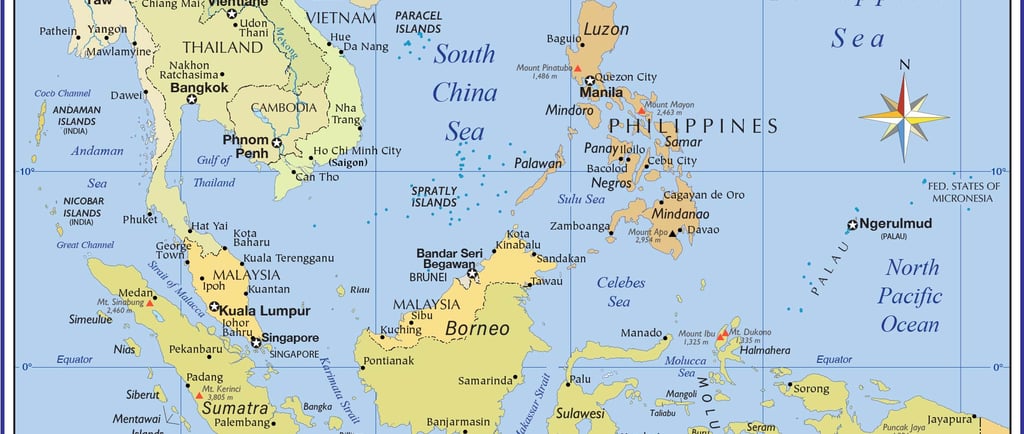
The Strait of Malacca is a vital waterway linking the Pacific and Indian Oceans, with unparalleled strategic and economic significance. It is one of the busiest trade routes globally, handling over 50,000 vessels annually and carrying approximately 20-25% of the world’s maritime trade. It is also a key channel for Asian energy supplies and freight transportation.
However, in recent years, some Indonesian vessels have taken non-traditional routes. For example, in August 2025, the China COSCO Shipping Group launched a direct route connecting Indonesia’s Batam Port with Yangpu Port in Hainan, China. This marks a breakthrough, as vessels can now bypass the Strait of Malacca and the Singapore transshipment hub, reducing travel time from approximately 20 days to 6-7 days and saving around US$280 per ton of cargo. This shift not only enhances maritime connectivity between China and Indonesia but also provides a new path for regional trade optimization in terms of efficiency and cost.
2. Drivers of the Route Shift
(1) Demand for Optimized Shipping Costs and Time Efficiency
Traditional routes via the Strait of Malacca require transshipment at ports like Singapore, involving unloading, sorting, and customs clearance—processes that extend travel time and increase costs. Direct routes, by contrast, significantly shorten transit times, reduce cargo damage, and lower logistics expenses. In an increasingly competitive market, shipping companies and cargo owners prioritize cost-effectiveness and efficiency, driving the adoption of direct routes.
(2) Regional Port Competition and Infrastructure Upgrades
Indonesia’s local ports, such as Batam Port, have undergone facility upgrades in recent years. Investments in new equipment (e.g., gantry cranes, quay cranes) and expanded capacity have enabled these ports to compete with traditional hubs. For instance, Batam Port, once reliant on simple equipment like mobile cranes, now boasts an international-standard container terminal equipped with bridge cranes and gantry cranes, enhancing its ability to handle direct international voyages.
(3) Deepening China-ASEAN Regional Cooperation
China is Indonesia’s largest trading partner, with bilateral cooperation expanding in manufacturing, new energy, and logistics infrastructure. The new direct route is a key project to strengthen trade connectivity between the two countries. It aligns with the Belt and Road Initiative (BRI) and reflects the mutual desire to enhance economic integration.
II. Global Political and Shipping System Context
1. Supply Chain Restructuring and Multi-Path Strategies
Events such as the COVID-19 pandemic and tensions in the Red Sea have spurred global supply chains to adopt multi-path and low-dependency strategies. The Strait of Malacca, as a single chokepoint, is vulnerable to disruptions (e.g., piracy, accidents). Direct routes reduce reliance on this critical waterway, enhancing supply chain resilience—an lesson learned from past disruptions like the Suez Canal blockage in 2021.
2. Regional Infrastructure Competition
Discussions about alternative routes to the Strait of Malacca, such as the Kra Canal (a proposed land bridge in Thailand), reflect regional countries’ desire to reduce dependency on the strait. While these projects are long-term, they highlight the strategic importance of maritime trade and the competition among nations to control key shipping lanes.
III. Analysis of Socio-Economic Impacts on Indonesia
While the route shift holds strategic significance for global trade, its impacts on Indonesia’s grassroots communities are multifaceted—presenting both opportunities and challenges.
1. Employment Opportunities and Income Growth
(1) Increased Employment in Port-Adjacent Areas
Direct routes have boosted cargo throughput and operational frequency at ports like Batam, driving demand for loading/unloading workers, logistics services, warehousing staff, and small businesses in port-adjacent communities. For example, Batam Port’s upgrade has led to new recruitment drives, improving income structures in local communities.
(2) Expanded Markets for SMEs
Direct access to China’s large market has enabled Indonesian exporters—particularly in traditional sectors like palm oil, rubber, and seafood—to reach customers faster, increasing their operational scale and growth potential. A case in point is a Batam-based seafood company that now delivers products to China in half the time, reducing spoilage and boosting profits.
2. Labor Structure and Skill Requirements
While new routes create jobs, they also demand higher skills. Ports are adopting digital and automated systems (e.g., smart scheduling, shipping management software), reducing demand for low-skilled workers. For instance, automated cranes and AI-powered logistics platforms require workers with technical training in robotics and data analysis. Workers without these skills may face unemployment or underemployment, exacerbating income inequality.
3. Risks of Exacerbated Regional Development Disparities
Indonesia is the world’s largest archipelagic country, but development is highly uneven. Port cities like Jakarta and Batam are likely to benefit significantly from the new routes, while remote islands and inland areas—reliant on government projects like the “Maritime Highway” (aimed at improving domestic connectivity)—may be left behind. Without targeted policies (e.g., fiscal transfers, infrastructure investments), the gap between coastal and inland areas could widen, leading to social unrest.
4. Impacts on Fishermen and Coastal Communities
The Strait of Malacca and Singapore Strait remain high-risk areas for piracy and armed robbery. According to the Regional Cooperation Agreement on Combating Piracy and Armed Robbery against Ships in Asia (ReCAAP) Information Sharing Centre, 108 armed robbery incidents were reported in these straits in 2025—an increase of 74% from 2024. While most incidents are minor thefts, the instability affects fishermen’s income and livelihood strategies. Some have shifted to shorter routes or joined cooperatives to reduce risks, but others have abandoned fishing altogether due to safety concerns.
5. Cross-Border Fishing and Law Enforcement Frictions
Indonesian fishermen often operate in waters near Malaysia and Singapore, where they face strict law enforcement. In 2025, Indonesian authorities seized two Malaysian vessels for illegal fishing, and several Indonesian fishermen working on foreign vessels were repatriated. These incidents reflect growing competition for maritime resources and tensions between Indonesia and its neighbors, potentially compressing fishermen’s livelihood space.
IV. Comprehensive Evaluation and Countermeasures
1. Positive Impacts
Employment and Industrial Upgrading: Direct routes have spurred logistics industry growth and port-adjacent employment, creating new income streams for local communities.
Enhanced Trade Efficiency: Reduced transit times and costs have improved Indonesia’s export competitiveness, benefiting the national economy as a whole.
2. Negative Challenges
Skills Mismatch: The demand for high-skilled workers in ports has left low-skilled laborers vulnerable to unemployment.
Regional Imbalances: Benefits are concentrated in port cities, while remote areas lag behind.
Livelihood Pressures on Fishermen: Piracy, law enforcement, and competition have reduced fishermen’s income and increased their risks.
3. Countermeasures and Suggestions
Vocational Training Programs: The government and businesses should collaborate to provide training in port automation, logistics management, and digital skills to help low-skilled workers adapt to the changing labor market.
Regional Development Subsidies: Fiscal transfers and infrastructure investments (e.g., roads, ports) in remote areas should be prioritized to narrow the development gap.
Maritime Security Cooperation: Indonesia should strengthen collaboration with neighboring countries (e.g., Malaysia, Singapore) to combat piracy, improve resource management, and reduce cross-border frictions.
V. Conclusion
Indonesia’s shift away from the Strait of Malacca is not merely a technical or commercial decision but a result of global supply chain restructuring, regional port competition, and national policy. While the new routes offer opportunities for economic growth and employment, they also pose significant challenges—particularly for grassroots groups. To ensure that this global trend benefits Indonesia’s overall social welfare, the government, businesses, and society must work together to address the negative impacts and maximize the positive ones.
This analysis highlights the need for a balanced approach to shipping restructuring—one that prioritizes both economic efficiency and social equity. As Indonesia navigates this transition, it must ensure that the benefits of globalization are shared by all, especially the most vulnerable members of society.